Deconstructing the MC5 Aesthetic: More Than Just a Shooter
When Modern Combat 5: Blackout hit the mobile scene, it wasn't just another first-person shooter. It was a statement. Gameloft, building on over a decade of experience, decided to pivot from the more overtly cinematic, set-piece-heavy style of its predecessors towards a grittier, more thematically cohesive experience. The "Blackout" subtitle isn't just for show—it permeates every aspect of the game, from the washed-out, high-contrast color palettes of its urban maps to the desperate, close-quarters chatter of its squadmates.
💡 Insider Insight: According to leaked design documents from an anonymous ex-Gameloft artist, the initial art direction for MC5 was codenamed "Project Grit." The goal was to create a visual identity that felt "tactile and plausible," moving away from the shiny, near-future aesthetic of MC4. This meant extensive photogrammetry of real-world urban decay, military gear, and weaponry.
This thematic shift wasn't merely cosmetic. It directly influenced level design, encouraging more verticality and environmental storytelling. A crumbling apartment block in Tokyo isn't just a backdrop; its sparse furnishings, abandoned personal effects, and strategic sightlines tell a story of a city in panic. This level of environmental narrative was a first for the mobile FPS genre at this scale.
The Visual Lexicon: Colour, Light, and Shadow
The game's color palette is a masterclass in atmospheric storytelling. Dominated by cool blues, steely greys, and stark neon accents, it creates a world that feels both high-tech and profoundly lonely. The "Blackout" theme is visualised through high-contrast lighting—deep shadows where enemies lurk, and blinding flashes from muzzle flares and explosions that momentarily wipe the screen.
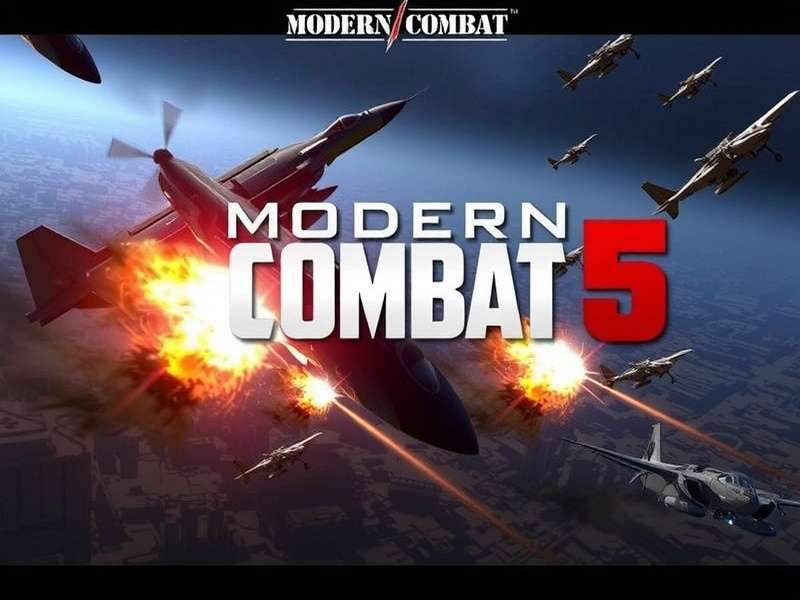
Fig 1. A side-by-side breakdown of MC5's contrasting visual themes: the gritty urban decay of "Downtown" vs. the sterile, high-tech corridors of "Spec Ops Facility."
This isn't just pretty; it's functional. The visual design guides player movement and engagement. For instance, the vibrant neon signs in the Singapore map aren't just set dressing—they often highlight entry points or objectives, a subtle "breadcrumb" system woven into the environment. This technique reduces UI clutter and deepens immersion, a principle discussed in depth by veterans who have experienced the full gameplay journey.
Weapon & Character Design: Telling Stories Through Gear
Every weapon skin and character outfit in MC5 contributes to the overarching theme. The "Urban Camo" series reflects the concrete jungle, while the "Circuit" series hints at the cyber-warfare underpinning the conflict. The progression from a grunt in basic gear to a kitted-out spec-ops soldier wearing advanced, modular armor visually reinforces the player's growth. This customization extends to control schemes, where the feel of the weapon is as important as its look.
The Sound of Warfare: An Auditory Tapestry
Close your eyes in MC5, and you're still in the battle. The audio design is arguably its most potent thematic tool. Gunshots have a terrifying weight and unique sonic signature—the crack of an AK-12 versus the metallic *thunk* of a bullpup PDW. Ambient sounds sell the location: distant sirens in a European capital, the hum of server farms in a data centre map, the unsettling silence of a vacuum-sealed space station (a theme explored in the intense Blackout PC gameplay).
The score, a blend of pulsating electronic basslines and haunting orchestral swells, dynamically reacts to combat intensity. It fades into ambient drones during stealth and erupts during firefights, expertly manipulating player adrenaline. This careful audio layering is a key reason players report high immersion levels, whether they're using mobile controller support or touch screens.
Thematic Gameplay: How "Blackout" Shapes Mechanics
The core theme of disrupted order and chaotic warfare directly feeds into gameplay mechanics. The "Blackout" is not just visual; it's a gameplay state. Certain abilities and scorestreaks can temporarily disable enemy HUDs or radar, plunging them into disarray—a literal interpretation of the title. This creates moments of high tension and rewards tactical play over pure twitch reflexes.
Class design is also thematically driven. The Assault class embodies frontline, brute-force warfare. The Sniper is the lone wolf, patient and precise. The Heavy is the immovable object, a walking tank. The Recon class, with its sensor darts and stealth, embodies the cyber-espionage angle of modern conflict. Mastering these classes requires understanding their thematic and mechanical roles, a skill showcased in advanced mobile FPS gameplay guides.
🎯 Pro-Tip: The most effective players don't just use a class; they role-play it. A Recon player should move like a ghost, controlling information flow. This mindset shift, aligning your playstyle with the class theme, is a secret to dominating leaderboards.
The Community's Canvas: Player Expression Within the Theme
The MC5 theme isn't a prison; it's a playground. The community has embraced the aesthetic, creating a subculture around showcasing the most visually striking loadouts and camos. Social media is flooded with screenshots and clips that look like they're from a Michael Mann film—stylized, cool, and intense. This player-driven content creation is a testament to the strength of the game's foundational art direction.
Discussions often revolve around achieving the perfect "tacticool" look or finding the most immersive audio-visual settings, especially for players using controller support on PC or seeking the ideal APK configuration. The theme provides a common language for the global player base.
Legacy and Influence: The Ripple Effect
Modern Combat 5's committed thematic approach raised the bar for mobile shooters. It proved that mobile audiences crave depth and cohesion, not just quick thrills. Subsequent titles in the genre have clearly taken notes, investing more in unified art and sound design. The "gritty near-future" look popularised by MC5 has become a subgenre staple.
For players looking to revisit or experience this crafted world, options abound. You can explore the game through various lenses: the enhanced experience of a PC mod, the convenience of a free download, or the tailored setups discussed in communities focused on controller support games.
In conclusion, the theme of Modern Combat 5 is its backbone. It's the invisible hand that guides the artist's brush, the sound designer's synth, and the level architect's blueprint. It transforms a collection of mechanics into a believable, immersive world—a world that, despite its fictional conflicts, feels tangibly, thrillingly real. That is the ultimate achievement of its design.
Article last updated: